Where to Stay in São Paulo by Trip Style
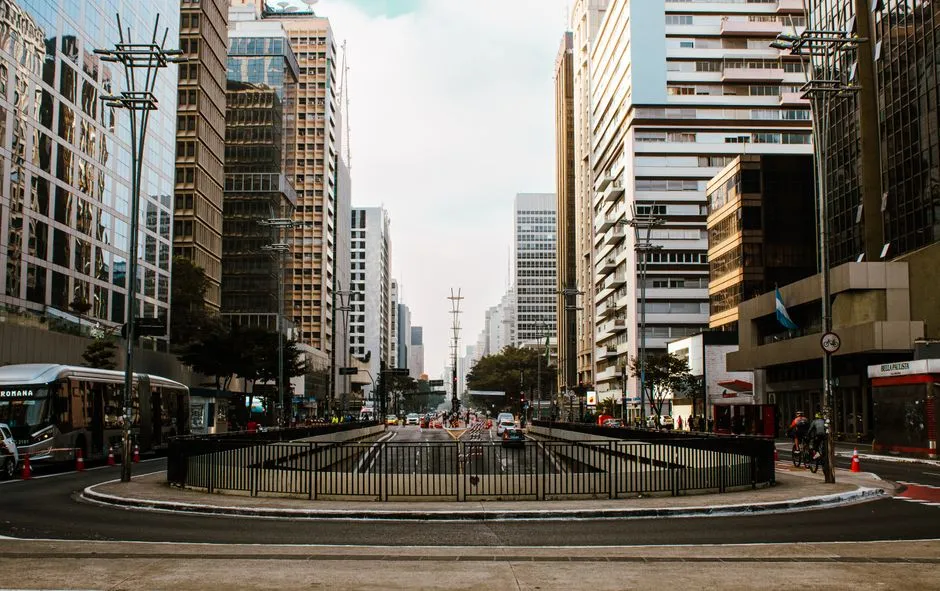
Best overall for a first visit: Avenida Paulista
The Avenida Paulista area is the strongest all-round base for a first São Paulo trip focused on culture, dining, and rail access. Choose Pinheiros for restaurant- and nightlife-led days, Vila Madalena for art and evenings, Vila Mariana or Paraíso for a quieter rhythm, and Centro or República for historic architecture and central transport.
These are area-level recommendations, not endorsements of a particular property. We compared proximity to common visitor clusters, rail access, evening rhythm, hills, noise, driving needs, and how much street-by-street research each choice demands.
| Area | Best for | Why it works | Worth knowing |
|---|---|---|---|
| Avenida Paulista | First visits and cultural itineraries | Several rail access points and major sights nearby | Busy, event-affected, and potentially noisy |
| Pinheiros | Dining, bars, and western connections | Broad mix of venues and useful rail links | Large area; exact station distance varies |
| Vila Madalena | Nightlife, galleries, and street art | Leisure-focused atmosphere and distinctive evening plan | Hills and late noise can complicate the stay |
| Vila Mariana / Paraíso | A quieter, transit-connected base | Practical access with a more residential rhythm | Fewer major sights immediately outside every door |
| Centro / República | Architecture and central daytime culture | Dense historic and transport connections | Exact block and nighttime plan need close review |
Best overall: Avenida Paulista
Why: Paulista and its surrounding districts place museums, cultural centers, restaurants, services, and multiple rail stations within a relatively concentrated corridor. It works when several days include central, western, and southern destinations and you prefer returning to a familiar landmark.
Search exact addresses around the avenue rather than treating “Paulista” as one uniform lodging zone. Station entrances can be several blocks apart, and the nearest line may not be the one most useful to your itinerary.
Worth knowing: Traffic, crowds, demonstrations, road closures, Sunday programming, and major events can change access and noise. Higher-demand dates may raise lodging rates. Check room orientation, glazing, air conditioning, and late arrival procedures, not only distance to the avenue.
Best for food and nightlife: Pinheiros
Why: Pinheiros supports a broad restaurant, bar, shopping, and nightlife itinerary and connects with important rail corridors. It suits visitors whose saved map already leans west and whose evenings matter as much as museum opening times.
Worth knowing: Pinheiros covers a substantial area. A property can use the name while requiring a long or hilly walk to the venue cluster you imagined. Map three actual trips—morning, evening, and luggage arrival—and note the station entrance, street grade, and licensed ride pickup.
Best for an art-and-evening stay: Vila Madalena
Why: Vila Madalena is associated with galleries, street art, bars, and a neighborhood-scale leisure experience. Choose it when those are primary trip goals and you are content to travel farther for some central attractions.
The city's current visitor material includes the Pinheiros/Vila Madalena urban-art cluster, but businesses and opening patterns change. Verify every venue independently.
Worth knowing: Hills, cobblestones or uneven surfaces in some routes, nightlife noise, and distance from a station can affect the stay. A beautiful daytime walk may feel very different with luggage, rain, reduced mobility, or a late return. Do not book by mural proximity alone.
Best for a calmer base: Vila Mariana or Paraíso
Why: These areas can provide a more residential-feeling base while maintaining Metro access toward Paulista, Centro, and southern destinations. They suit travelers who prioritize sleep, neighborhood services, or a less nightlife-centered immediate environment.
Worth knowing: “Quieter” is relative and cannot be guaranteed by neighborhood. Check the building's exact street, nearby construction, bars, hospitals, schools, traffic, and room location. Some major attractions will require transfers or rides, so total travel time may exceed a map's optimistic first glance.
Best for history-first days: Centro or República
Why: Central São Paulo contains significant architecture, cultural institutions, public spaces, and transport connections. It can shorten daytime travel for an itinerary built around the historic center.
Worth knowing: Conditions vary by block and time. Research the exact address using current property information and local guidance, plan nighttime transportation in advance, and avoid treating price alone as a verdict. Confirm reception hours, secure entry, luggage handling, and the walk between lodging and station.
Compare the property, not just the pin
The stay-smart guides use the same checklist for every area:
- Final price with taxes and required charges
- Refund and cancellation deadline
- Exact walk to the useful station entrance
- Nighttime noise and return plan
- Air conditioning and room orientation
- Accessibility matching individual needs
- Breakfast, parking, luggage, and check-in terms
Call or message the property about critical access or allergy requirements and preserve the reply. A filter icon cannot guarantee a specific shower layout, fragrance practice, or step-free route.
Then use the first-trip Metro guide to test each candidate against the actual itinerary. The best base is not the neighborhood with the strongest brand. It is the door that makes your planned week require fewer heroic transfers.